
Bespoke Joinery & Carpentry in Birmingham: Is It Really Worth It for Your Home?
If you’ve been searching for Bespoke Joinery & Carpentry in Birmingham, chances are something in your home just isn’t working the way it should. Maybe it’s that awkward corner you can’t use. Or storage that never feels enough. Or furniture that technically fits – but doesn’t really fit properly.
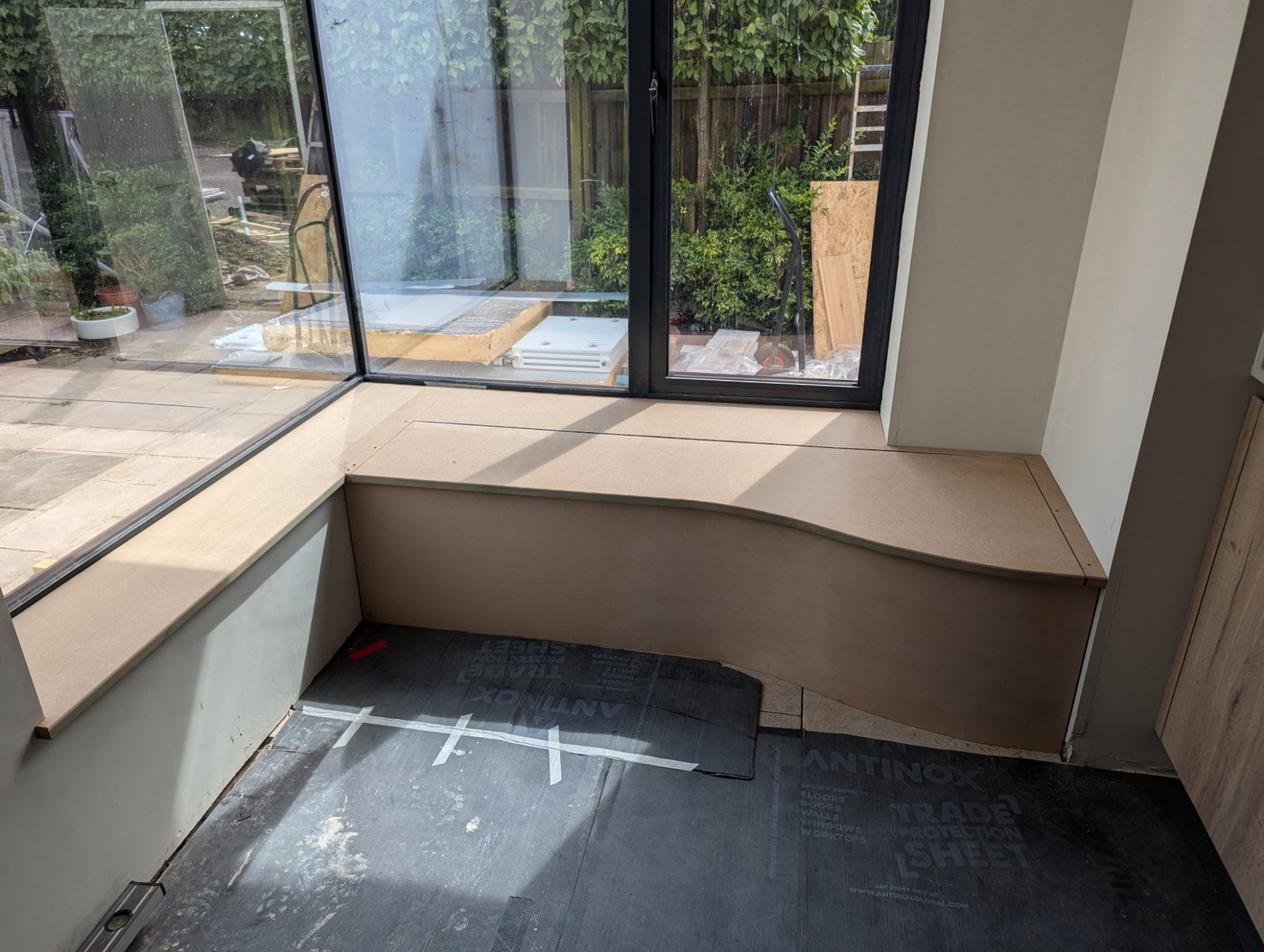
That’s usually when people start looking into bespoke joinery.
Because instead of forcing standard furniture into your space, bespoke joinery does the opposite; it’s designed around your home from the very beginning.
At RRJ Design, we work with homeowners across Birmingham who want homes that feel more practical, more organised, and honestly just easier to live in. That’s really what bespoke joinery comes down to.
What Is Bespoke Joinery and Why Do People Choose It?
Bespoke joinery is custom-made woodwork designed specifically for your home. Not standard sizes. Not “almost fits”. Everything is built around your exact space.
And this matters a lot in Birmingham homes, where you’ll often find:
- Victorian terraces with chimney breasts
- Modern flats with awkward corners
- Older properties with uneven walls or tight layouts
In real life, it usually looks like this:
- A spare room that slowly turns into storage because nothing fits properly
- An alcove next to a fireplace that stays empty for years
- A bedroom where wardrobes never quite line up
- A living room that always feels slightly cluttered
Instead of working around those problems, bespoke joinery removes them by using every inch properly.
Is it actually worth it?
Honestly, it really depends on what you’re after in your space.
If you’re comfortable reshaping your routine around ready-made furniture, then standard bits are fine.
However, most homeowners hit a stage where they start wanting their house to feel more “finished” and less like a stopgap, you know.
That’s where bespoke joinery in Birmingham begins to click, not just as a so-called luxury but as a genuinely practical answer.
What’s the Difference Between a Carpenter and a Joiner?
This comes up a lot, and it’s easy to mix them up.
A carpenter usually works on-site and focuses on structural work, such as:
- Roof frames
- Staircases
- Timber structures
- Stud walls
A joiner, on the other hand, works on the finer details, usually in a workshop:
- Fitted wardrobes
- Cabinets
- Media walls
- Kitchen units
- Storage furniture
Most modern projects use both skills together: one builds structure, the other brings precision and finish.
At RRJ Design, we combine both so everything fits properly and looks seamless when installed.
Why Bespoke Fitted Furniture Works Better Than Flat-Pack?
You’ve probably seen it before.
A wardrobe with a gap at the top.
A cabinet is sticking out slightly too far.
A TV unit with messy visible wires.
Nothing is technically “wrong”, but it just doesn’t feel right.
Now compare that with bespoke fitted furniture:
- No wasted gaps
- No awkward corners
- No uneven spacing
- Everything feels built-in and intentional
The difference is immediately noticeable. Once a homeowner has experienced one custom-made room, they can suddenly feel that the remainder of the home is incomplete.
Hardwood vs Softwood - What’s the Difference?
Here is a very typical material query.
- Hardwood materials tend to come from much slower-growing tree species that include oak and walnut. As such, these materials will be of greater strength, weight and durability than their softer counterparts and often create premium-quality furniture or surfacing materials that can be viewed.
- Softwood materials are derived from much quicker-growing timber species that include pine and spruce. Therefore, due to their greater density being significantly reduced, softwood materials will tend to be lighter, easier to work with and less costly than hardwood materials.
There’s no “better” option; it all comes down to cost. Many projects use a combination of both, depending on the design.
MDF vs Solid Wood - What Should You Choose?
This one is important in modern interiors.
- MDF (medium-density fibreboard) is smooth, stable, and ideal for painted finishes. It doesn’t warp easily and is widely used in fitted furniture.
- Solid wood has a natural grain, feels premium, and is very strong – but can move slightly with temperature changes.
In most modern bespoke projects, MDF is used for structure and painted finishes, while solid wood is used for detailing where needed.
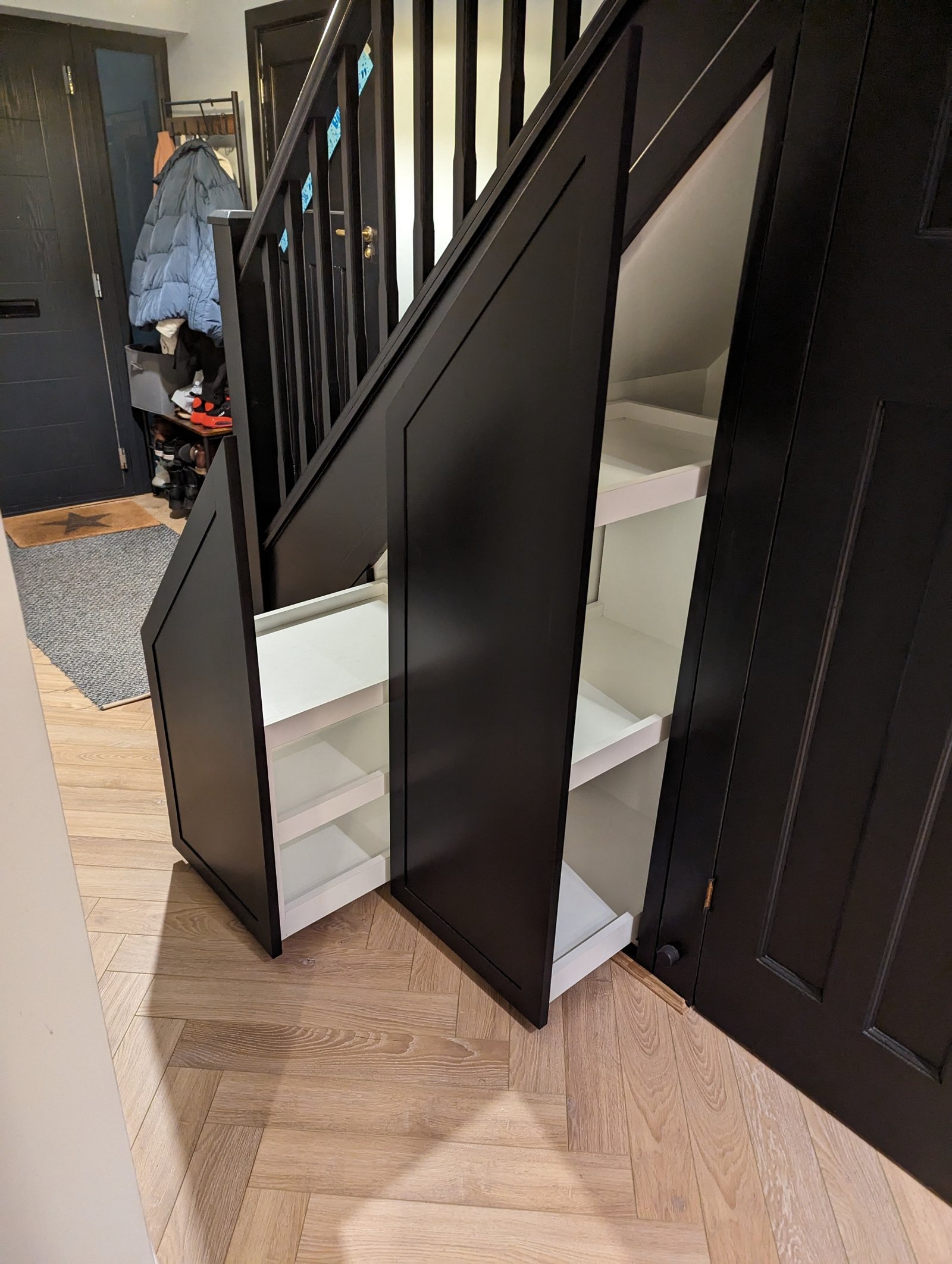
CAD Design – Why Does It Matter Before Anything Is Built?
CAD (Computer-Aided Design) is basically a digital preview of your furniture before it’s made.
It helps you:
- See exactly how it will look
- Adjust measurements early
- Avoid design mistakes
- Understand how everything fits in the room
Think of it like a blueprint – but visual.
Most homeowners actually find this stage reassuring because it removes guesswork completely.
Finishes: Spray vs Brush - What’s Better?
Finishing makes a bigger difference than people think.
- Spray finishes give a smooth, modern, factory-quality look. They’re clean, even, and very durable.
- Brush finishes are more traditional and can show slight texture, which works well in rustic or period homes.
For most modern Birmingham homes, spray finishes are more popular because they feel cleaner and more consistent.
How Long Do Finishes and Joinery Actually Last?
With proper materials and finishing, bespoke joinery is built to last years – not months.
Durability depends on:
- Material choice
- Usage
- Finish quality
- Installation accuracy
Well-made bespoke furniture often lasts significantly longer than flat-pack alternatives because it’s built specifically for the space it lives in.
How Does a Bespoke Joinery Project Work?
It’s simpler than most people expect:
- Initial conversation – What’s not working in your space
- Measurements – Accurate sizing of the room
- Design stage – Visual plans and layout
- Build – Made in a workshop
- Installation – Fitted neatly into your home
Most projects take around 4-12 weeks, depending on size and detail.
Does Bespoke Joinery Add Value?
Yes, but not just financially.
The real value is daily life:
- Less clutter
- Better storage
- Smarter use of space
- A more finished home feel
It’s less about resale value and more about how your home actually works for you.
Why Homeowners in Birmingham Choose RRJ Design?
Most people don’t come to us asking for “bespoke joinery”.
They come with real problems:
- “We need more storage.”
- “Our kitchen doesn’t work properly.”
- “We’ve got wasted space everywhere.”
That’s where we step in.
At RRJ Design, we design and build solutions that actually fit real homes. From bespoke fitted furniture to bespoke kitchen design and manufacture, everything is built around how you live, not just how a room looks.
If you’re thinking about Bespoke Joinery & Carpentry in Birmingham, the real question isn’t whether it looks good.
It’s whether your home is actually working for you right now.
For most people, the answer is no – and that’s exactly where bespoke design makes the biggest difference.